DYNA26: 27 April 2026. More info

Need help selecting your licence?

Unsure which Dyalog licence suits your needs? Our guided questionnaire will help you determine the most appropriate licence based on your intended use. Whether for personal learning, research, or commercial development, we’ll help you to make an informed choice.

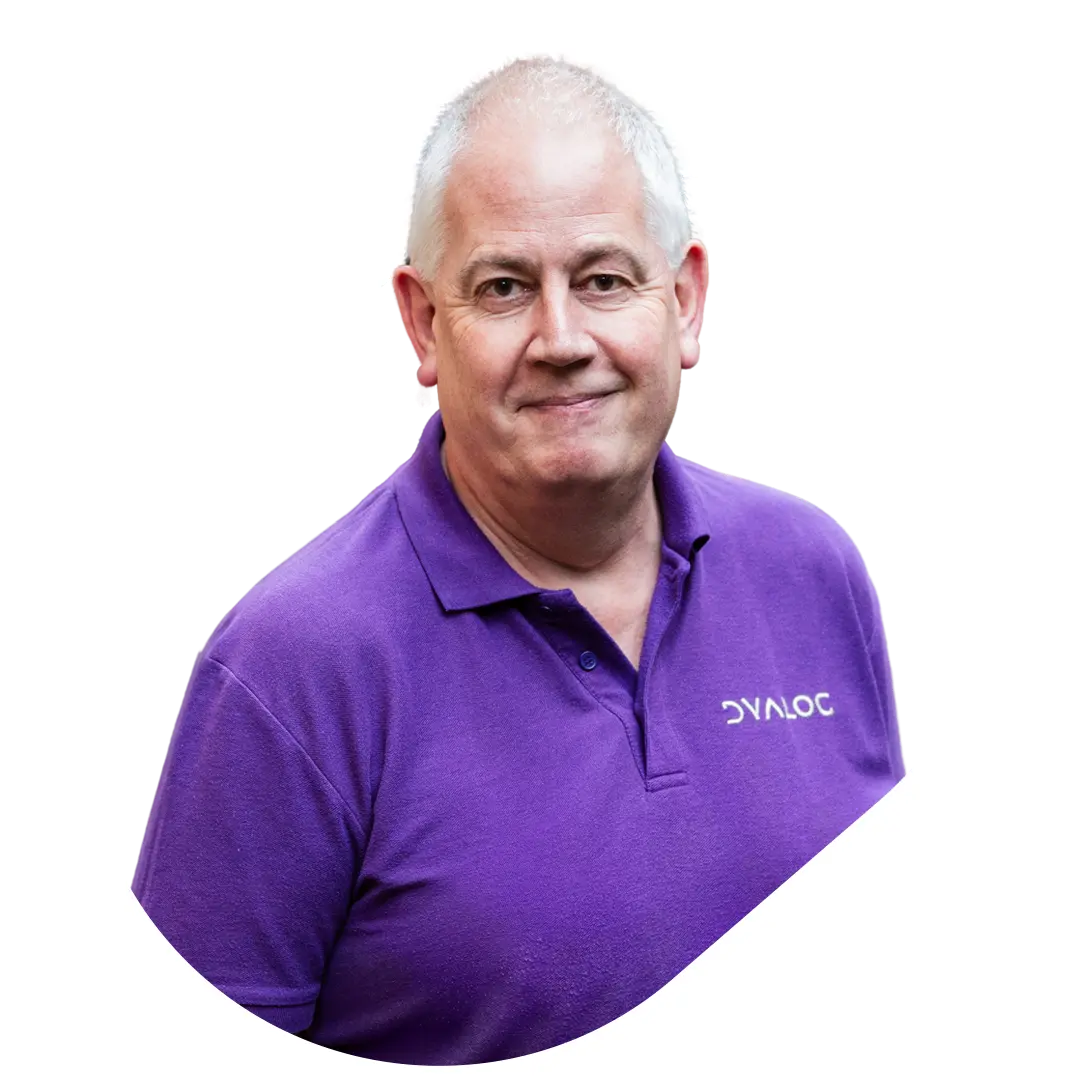
Stine Kromberg
Stine
Managing Director (CEO)
Flag of Denmark
Morten Kromberg
Morten
Technical Director (CTO)
Flag of Denmark
Aaron Hsu
Aaron
Researcher
Flag of U.S.A.
Aarush Bhat
Aarush
Tester
Flag of India
Abs Suri
Abs
System Administrator
Flag of the United Kingdom
Adám Brudzewsky
Adám
Head of Language Design
Flag of Denmark
Andrea Plovgaard Frederiksen
Andrea
Executive Assistant
Flag of Denmark
Andy Shiers
Andy
Chief Operations Officer
Flag of the United Kingdom
Asher Harvey‑Smith
Asher
Developer
Flag of the United Kingdom
Bjørn Christensen
Bjørn
Developer
Flag of Denmark
Brian Becker
Brian
APL Tools Architect
Flag of U.S.A.
Dan
Job Role
Flag of Canada
Fiona Smith
Fiona
Documentation Manager
Flag of the United Kingdom
Geoff Streeter
Geoff
Developer
Flag of the United Kingdom
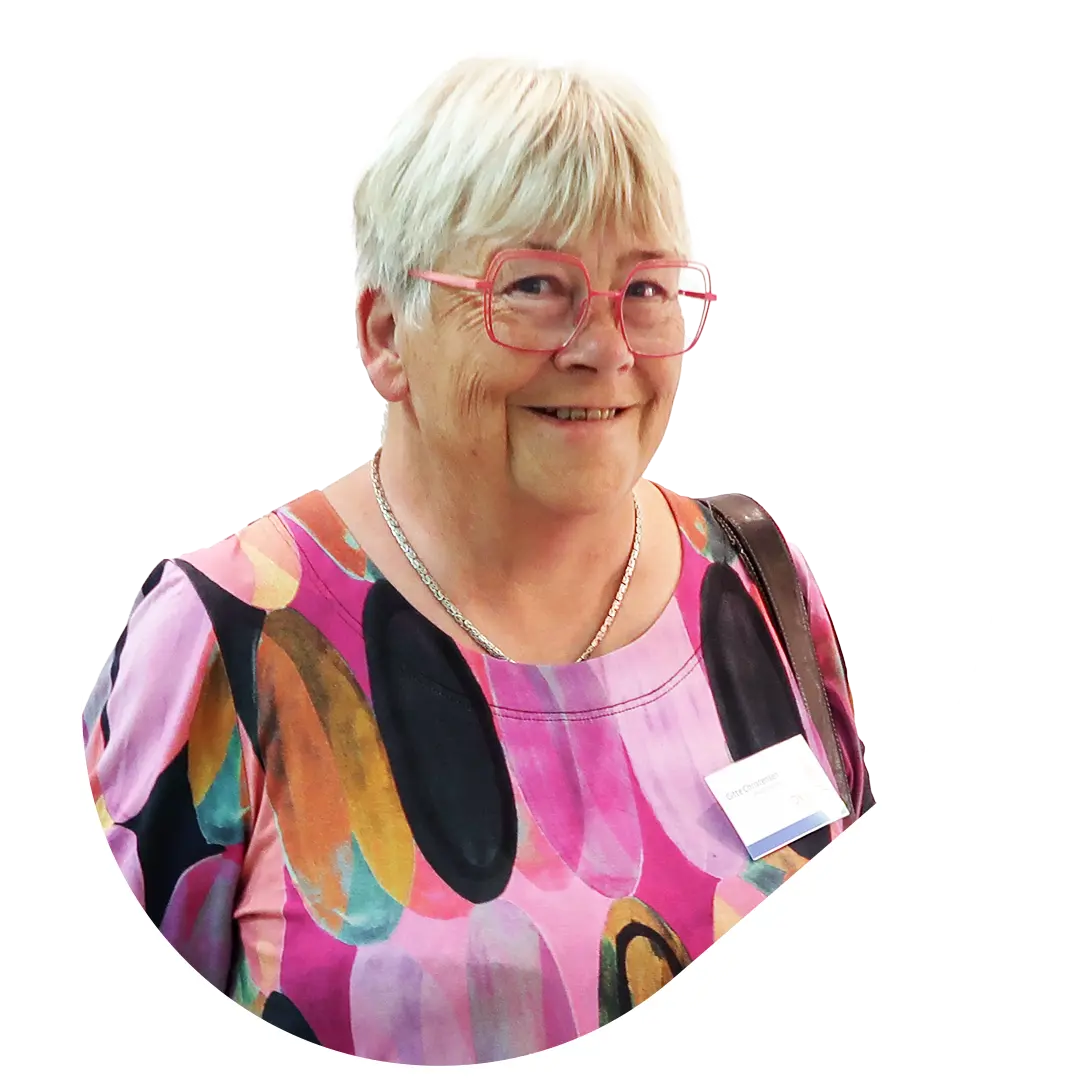
Gitte Christensen
Gitte
Company Secretary
Flag of Denmark
Jada Andrade
Jada
Administration Assistant
Flag of the United Kingdom
Jason Rivers
Jason
IT Manager
Flag of the United Kingdom
Jay
Job Role
Flag of the United Kingdom
John Daintree
John
Chief Architect
Flag of the United Kingdom
John
Job Role
Flag of the United Kingdom
Josh David
Josh
APL Consultant
Flag of U.S.A.
Karen Shaw
Karen
Customer Account Manager
Flag of the United Kingdom
Karl Holt
Karl
Developer
Flag of Denmark
Karta Kooner
Karta
Core Developer
Flag of the United Kingdom
Marshall
Job Role
Flag of U.S.A.
Martin Franck
Martin
IT Co-ordinator
Flag of Denmark
Martina Crippa
Martina
APL Consultant
Flag of Denmark
Michael Baas
Michael
APL Developer
Flag of Germay
Mike Mingard
Mike
Designer
Flag of the United Kingdom
Neil Kirsopp
Neil
Developer
Flag of Germay
Nic
Job Role
Flag of France
Nick
Job Role
Pete Donnelly
Pete
APL Documentation Writer
Flag of Greece
Peter Mikkelsen
Peter
Core Developer
Flag of Denmark
Rich Park
Rich
APL Teacher/Evangelist
Flag of the United Kingdom
Richard Smith
Richard
Development Manager
Flag of the United Kingdom
Rodrigo
Job Role
Roger
Job Role
Flag of Canada
Ron Murray
Ron
Core Developer
Flag of U.S.A.
Silas Poulson
Silas
Core Developer
Flag of the United Kingdom
Stefan Kruger
Stefan
Developer
Flag of the United Kingdom
Vince Chan
Vince
Customer Support
Flag of the United Kingdom


Could We Unlock Your Potential?

We are constantly seeking talented individuals to join our team.

Aaron Hsu explains what the APL programming language offers and outlines some of its key benefits.

Concise, Expressive, Array-Centric

What is APL and what are its Benefits?

APL is an array-oriented programming language. Its natural, concise syntax lets you develop shorter programs while thinking more about the problem you’re trying to solve than how to express it to a computer.

APL uses its own character set rather than reserved words written out in English like most other languages, like C or Python. As a language, APL sits at a very high level of abstraction, making it well suited to concise formulations of algorithms.

Example: User-Based Run-Time Licences

Example: Cloud-Based Run-Time Licences

Usage Example: Cloud-Based Run-Time Licences

When is a Cloud-Based Run-time Licence required?

A Cloud-Based Run-time Licence is required when several users use one or more applications running in the cloud.

What types of cloud use are covered?

Examples include:

A service where an application that runs in the cloud provides services to users for a fraction of the working year (e.g. applications using Jarvis or MiServer)

The use of internal or external cloud resources to accelerate or automate the execution of a workflow on behalf of a controlling process, without providing a service that other users can connect to or receive data from—such as isolate servers used for parallel computation or the execution of continuous integration tasks in the cloud.

How is a Cloud-Based Run-time Licence priced?

By default, Dyalog Ltd charges the same amount as you pay your cloud provider for the computing resources used to run Dyalog in the cloud.

What if my cloud usage costs aren’t clear?

If the cloud usage costs are not easily identifiable, you should contact us to discuss pricing. We’ll work with you to agree on a metric that can be used to determine a fair price structure.

User-Based Run-Time Licences
Annual Cost
Up to 20 users
£1,125
Up to 50 users
£2,250
Up to 100 users
£3,750
Up to 250 users
£6,000
Up to 500 users
£9,750
500 or more users
Contact Sales

Cloud-Based Run-time Licences FAQ

When is a Cloud-Based Run-time Licence required?

A Cloud-Based Run-time Licence is required when several users use one or more applications running in the cloud.

Examples include:

  • A service where an application that runs in the cloud provides services to users for a fraction of the working year (e.g. applications using Jarvis or MiServer)

  • The use of internal or external cloud resources to accelerate or automate the execution of a workflow on behalf of a controlling process, without providing a service that other users can connect to or receive data from—such as isolate servers used for parallel computation or the execution of continuous integration tasks in the cloud.

By default, Dyalog Ltd charges the same amount as you pay your cloud provider for the computing resources used to run Dyalog in the cloud.

If the cloud usage costs are not easily identifiable, you should contact us to discuss pricing. We’ll work with you to agree on a metric that can be used to determine a fair price structure.

User-Based Run-time Licences FAQ

When do I need a User-Based Run-time Licence?

A User-Based Run-time Licence is required when several users use one or more applications on a shared server. This includes applications running under Citrix or similar platforms, web servers, or servers using Distributed COM or other transactional platforms. The minimum configuration is for 20 users.

The licence is inclusive of all necessary components. For example, if an application allows 20 desktop users to share data on the server, a Run-time Licence for 20 users includes all relevant fees for both the desktop users and the server.

These licences are priced on a per-user basis. If it is not possible to determine the number of users—such as in a container or virtual machine—you may need a Cloud-Based or Royalty-Based Run-time Licence instead.

For Facility Management Applications—where an organisation runs a service on behalf of several client organisations—appropriate User-Based Run-time Licences are required for each distinct customer organisation.


    Add a header to begin generating the table of contents
    Get Support

    Technical advice and assistance on all aspects of Dyalog usage is available by e-mail (support@dyalog.com) and/or telephone (+44 1256 830030 – limited to U.K. office hours). Limited advice on design and coding is available, but is not intended to replace the use of the printed and on-line documentation. Except when reporting an issue with the software, users are encouraged to seek advice from the user community via the Dyalog Forum (reading the content of the forums does not require membership).

    Search our website...
    Dyalog Ltd